

How to Socialize Your Puppy the Right Way

How to Socialize Your Puppy the Right Way
Few things shape a dog's lifelong temperament as much as what happens in the first few months of their life. This window, often called the socialization period, is when puppies are naturally more open to new experiences, and it plays a major role in whether they grow up to be confident, well-adjusted dogs or dogs who struggle with fear and anxiety later on. If you’ve recently brought home a puppy, understanding this window and making the most of it can set the tone for years of good behavior and stress-free outings.
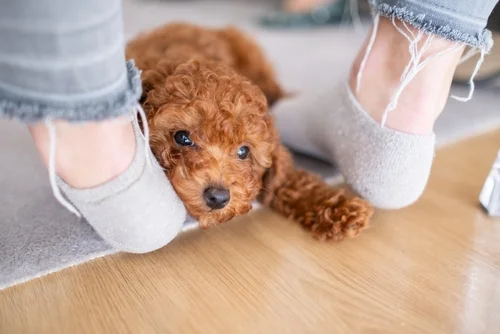
What Is the Socialization Period?
The primary socialization window generally falls between three and fourteen weeks of age, though puppies continue learning and adapting well beyond that point. During this stage, puppies are especially receptive to new sights, sounds, people, and experiences. What they learn to see as normal now often stays with them for life, while what they miss out on can become a source of fear or uncertainty later. This doesn’t mean socialization stops at fourteen weeks. It just means this early window is the best time to build a strong foundation, since puppies are naturally more adaptable and less likely to react with fear during this stage.
Areas to Focus On
New People: Exposing your puppy to a variety of people helps them learn that unfamiliar humans are not something to fear. Friendly, calm introductions during this stage go a long way toward preventing nervousness around strangers as an adult dog.
Other Animals: Safe, supervised interactions with other vaccinated, friendly dogs help puppies learn proper canine communication and body language. These early interactions teach puppies how to read cues from other dogs, which reduces the likelihood of fear-based reactivity down the road.
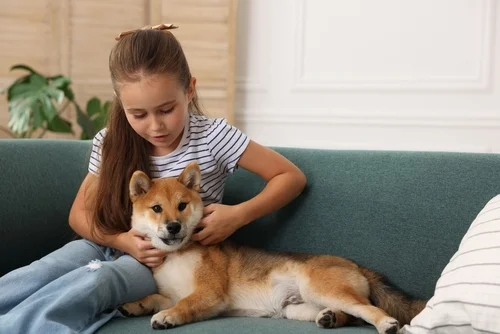
Everyday Sounds and Environments: Vacuum cleaners, car rides, doorbells, and busy sidewalks can all be overwhelming for a puppy encountering them for the first time. Gradual, low-pressure exposure to these everyday sounds and settings helps normalize them before your puppy has a chance to develop a fearful association.
Handling and Touch: Getting your puppy comfortable with having their paws, ears, and mouth handled now makes future grooming and vet visits far less stressful. Practicing gentle handling in short, positive sessions builds trust and makes routine care easier for years to come.
Keeping Socialization Safe: It is important to balance early socialization with your puppy's vaccination schedule. Talk to your veterinarian about when it is safe to introduce your puppy to unfamiliar dogs and public spaces, and in the meantime, focus on safer options like carrying your puppy through new environments or hosting supervised playdates with dogs you know are healthy and vaccinated.
Setting Your Puppy Up for Success
The effort you put into socialization during these early months pays off for the life of your dog. A well-socialized puppy tends to grow into a dog who handles new situations with confidence rather than fear, whether that means a trip to the vet, a busy park, or a house full of visitors. Every small, positive experience you give your puppy now is an investment in the calm, confident dog they will become. Taking things slowly, keeping experiences positive, and being patient with the process will serve both you and your puppy well for years to come.